






Exploring the origins and evolution of gambling throughout history
The Ancient Beginnings of Gambling
The origins of gambling can be traced back thousands of years, with evidence suggesting its existence in ancient civilizations. Archaeological findings show that dice made from animal bones were used in Mesopotamia around 3000 BC, marking one of the earliest forms of gambling. These primitive games likely served not only as entertainment but also as a means of divination, where outcomes were believed to hold significant spiritual value. Interestingly, in today’s gaming environment, many seek experiences at a crypto casino usa, reflecting the ongoing evolution of gaming.

Similarly, ancient Chinese texts from around 2000 BC mention gambling activities that included games of chance and betting. These early practices laid the groundwork for future gambling traditions, as they reflected the human inclination to take risks and seek fortune, traits that remain prevalent in modern society.
Gambling in Classical Antiquity
The Greeks and Romans further advanced gambling culture, integrating it into various aspects of daily life. The Greeks popularized games like dice and introduced the concept of betting on the outcomes of athletic competitions, such as the Olympic Games. This blend of physical prowess and chance created a unique gambling atmosphere, drawing in spectators eager to wager on their favored athletes.
Meanwhile, the Romans embraced a more organized approach to gambling, establishing public games and betting houses. The legal framework they created around gambling not only legitimized these activities but also contributed to the development of modern betting systems. This period set the stage for gambling to evolve into a significant social and economic activity across Europe.
The Middle Ages to the Renaissance: A Shift in Perception
During the Middle Ages, gambling faced scrutiny as religious authorities condemned it for encouraging vice. Despite this, underground gambling flourished, especially in the form of card games. The invention of playing cards in the 14th century, believed to have originated in China before spreading to Europe, revolutionized the gambling scene. Card games became immensely popular among nobility and commoners alike, leading to the establishment of more structured forms of gambling.
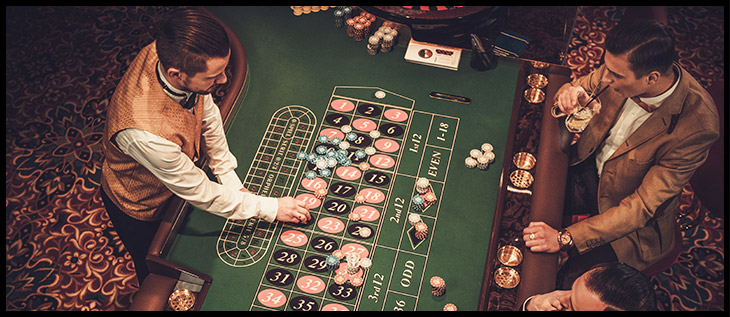
The Renaissance sparked a renewed interest in gambling, with the emergence of gambling houses and formalized games like roulette. These developments reflected a shift in societal attitudes, where gambling was increasingly viewed as an acceptable form of entertainment. This era also marked the beginning of international gambling as different cultures began to exchange games and betting techniques.
The Modern Era: Legalization and Regulation
The 19th century marked a pivotal change in the history of gambling, as various countries began to legalize and regulate gambling activities. This shift was driven by the realization of the potential economic benefits that gambling could bring. Governments started to establish state-run lotteries and regulated casinos, transforming gambling from a largely underground activity into a legitimate business.
The introduction of technology in the 20th century further revolutionized gambling. Innovations such as electronic slot machines and online platforms expanded the reach of gambling, making it accessible to a broader audience. This modern landscape continues to evolve, with advancements in technology shaping how gambling is experienced today.
Gambling in the Digital Age and the Future
As we delve into the 21st century, the evolution of gambling is characterized by the rise of online casinos and mobile gaming applications. These digital platforms have transformed the way people engage with gambling, allowing players to participate from anywhere at any time. The convenience and accessibility of online gambling have attracted millions of users worldwide, leading to unprecedented growth in the industry.
Looking ahead, the future of gambling will likely be shaped by ongoing technological advancements, including virtual reality and blockchain. As regulations continue to adapt to this rapidly changing environment, the gambling landscape will remain dynamic, blending tradition with innovation to meet the demands of a new generation of players.
