






Myth-busting common misconceptions about gambling revealed by Interac Casinos
Understanding Randomness in Gambling
One of the most prevalent misconceptions about gambling is that players can predict outcomes through patterns or strategies. In reality, most casino games operate on random number generators (RNGs), ensuring that every spin of the slot machine or roll of the dice is entirely independent of the previous results. Additionally, players looking for various payment methods may find the interac e transfer deposit and withdrawal casinos beneficial for seamless transactions. This randomness is crucial for maintaining fairness and ensuring that players have an equal chance of winning.
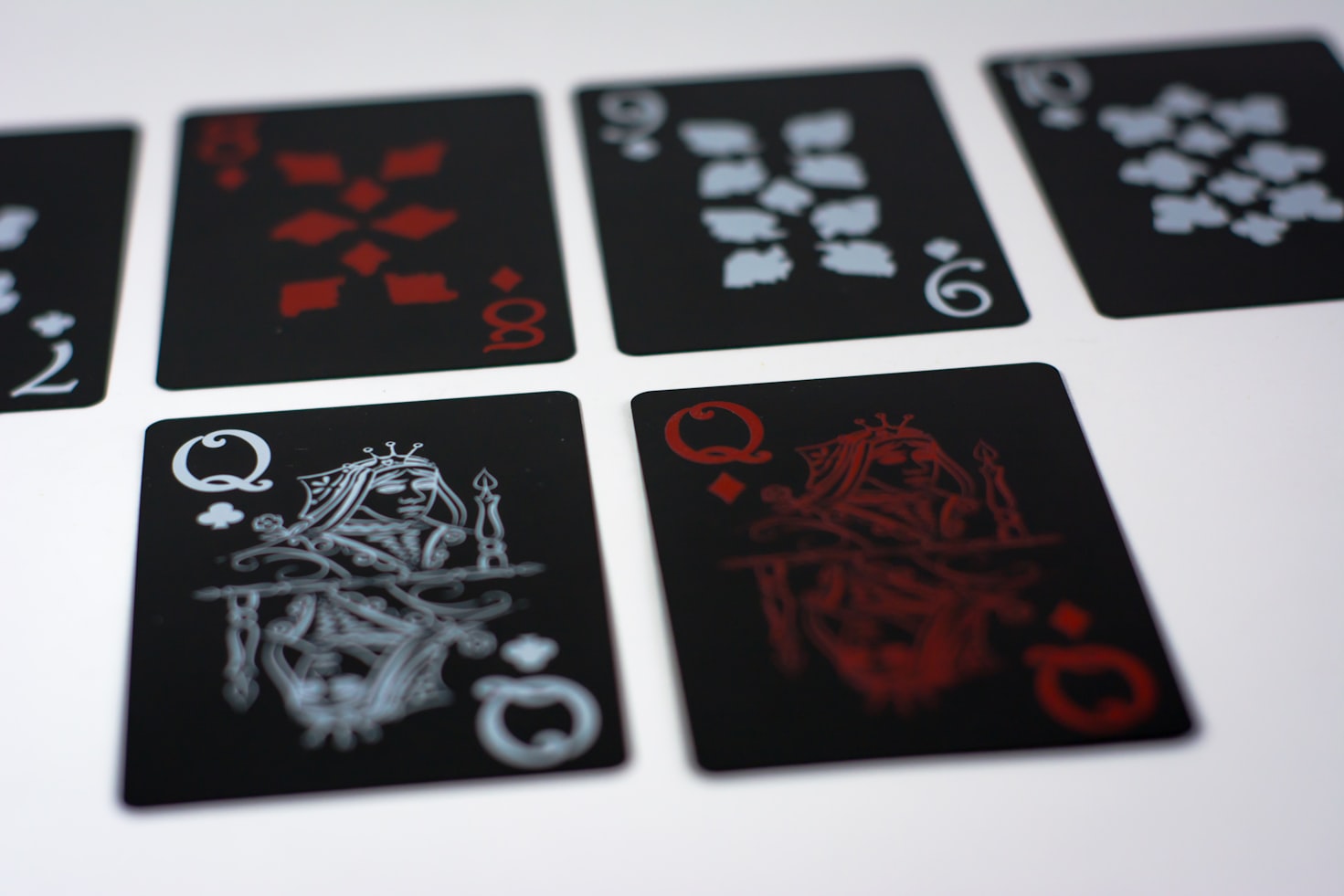
Many newcomers fall into the trap of believing that past outcomes can influence future results, leading to misguided betting strategies. For example, some players might think that if a number hasn’t appeared in a while, it is “due” to hit. This belief is fundamentally flawed, as each event is random and unaffected by previous occurrences. Understanding this concept is vital for managing expectations and making informed decisions while gambling.
The Myth of “The House Always Wins”
Another common myth is that the house always wins, which can deter potential players from trying their luck. While it’s true that casinos have a built-in advantage, this does not guarantee losses for every player. Many individuals enjoy substantial wins, and smart betting strategies can improve their chances. Games like poker and blackjack require skill, and knowledgeable players can reduce the house edge through effective strategies.
Moreover, some games have a higher return-to-player (RTP) percentage, which offers better odds for players. It’s essential to research games before playing, as understanding the probabilities and payout structures can significantly impact long-term success. By choosing the right games and employing strategic play, players can enjoy a fulfilling gambling experience.
The Role of Luck versus Skill
A common misconception is the belief that all gambling outcomes are purely based on luck. While luck certainly plays a significant role, many games require skill and strategy to enhance winning potential. For instance, poker is a game where skill can greatly influence outcomes, as players must read their opponents and make calculated decisions based on incomplete information.
Recognizing the balance between luck and skill can empower players to approach their gambling experiences with a more informed mindset. This understanding can lead to better decision-making and a more enjoyable experience, as players learn to navigate games that suit their skills and preferences.
Gambling as a Form of Entertainment
Many people believe that gambling is only about winning money, which can create unrealistic expectations. While financial gain is a possibility, viewing gambling primarily as entertainment can enhance the experience. This perspective encourages players to enjoy the thrill of the game rather than focusing solely on financial outcomes.
Setting budgets and limits can also help players maintain a healthy relationship with gambling. By treating it as a form of entertainment, players can relish the experience without the stress of chasing losses or worrying about winning back money. This mindset fosters responsible gambling and a more enjoyable atmosphere overall.
Interac Casinos: Your Guide to Responsible Gambling
Interac Casinos serves as a valuable resource for Canadian players looking to navigate the online gambling landscape safely and efficiently. By focusing on trusted platforms that offer secure payment options, Interac Casinos helps users find sites that prioritize their financial safety and provide a fair gaming environment.
Whether you are a novice or an experienced gambler, Interac Casinos offers insights and reviews that can guide your choices. The platform emphasizes responsible gambling practices and provides essential tools for managing your gaming experience effectively, ensuring that players can enjoy their time online without unnecessary risks.
