






The Allure of the Casino Environment
The casino atmosphere is designed to be exhilarating and captivating. From the flashing lights to the sound of coins clinking, every element is carefully orchestrated to stimulate excitement and draw players in. This environment creates a psychological state that can influence decision-making, often leading to impulsive behaviors. For those interested in a seamless gaming experience, many players prefer to choose casinos no kyc, as it enhances their enjoyment without unnecessary hurdles. Understanding these psychological triggers can help players recognize when they might be acting against their better judgment.
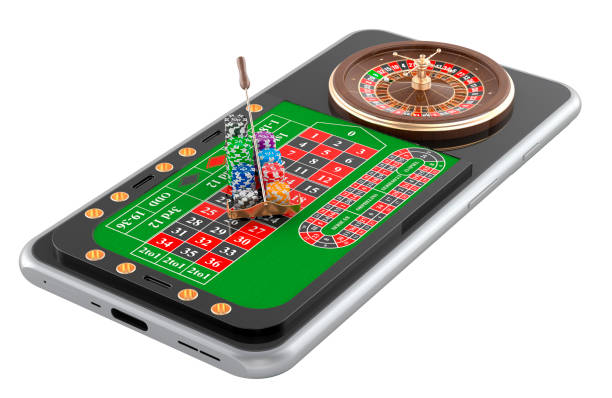
Moreover, the social aspect of casinos plays a significant role in the psychology of gambling. Interacting with others, whether through competitive games or casual conversations at the tables, enhances the thrill of the experience. This camaraderie can generate a sense of belonging and lead to increased participation, further complicating the relationship between emotion and gambling behavior.
The Concept of Luck and Its Psychological Impact
Luck is a central theme in gambling, and it profoundly affects a player’s mindset. Many individuals tend to believe in luck as a significant factor in winning, which can lead to the development of superstitious behaviors. Gamblers might carry lucky charms or adhere to certain rituals before placing bets, hoping that these actions will sway fortune in their favor. This belief in luck can create a positive feedback loop, where perceived successes reinforce the idea that luck is a tangible entity.
In contrast, the psychology of losing can be devastating. Players often experience cognitive dissonance when confronting losses, leading them to chase their losses with the hope of regaining their previous winnings. This cycle can foster an unhealthy relationship with gambling, as players become engrossed in the idea that future wins are imminent, regardless of the odds stacked against them.
The Role of Cognitive Biases in Gambling Behavior
Cognitive biases significantly shape gambling behavior and decision-making. One common bias is the “gambler’s fallacy,” where individuals believe that past events influence future outcomes, despite the randomness of games of chance. For instance, a player might assume that because a certain slot machine hasn’t paid out recently, it is “due” for a win. This misconception can lead to prolonged play and increased financial risk.
Additionally, “confirmation bias” can skew a gambler’s perception of their performance. Players may focus on their wins while dismissing losses, creating an illusion of competence. This skewed perception can make it difficult to recognize harmful patterns and can result in continued gambling despite negative outcomes. Understanding these cognitive biases can empower players to make more informed betting decisions.
The Emotional Rollercoaster of Gambling Wins and Losses
The emotional highs and lows experienced in gambling can be overwhelming. Winning can trigger a rush of euphoria, while losses can lead to feelings of despair or anger. These emotional responses are closely tied to the brain’s reward system, which releases dopamine during wins, reinforcing the desire to gamble again for that thrill. This emotional rollercoaster is a significant factor in why some individuals become addicted to gambling.
The intermittent reinforcement schedule that casinos employ—where wins come sporadically—can heighten anticipation and keep players engaged. This unpredictability creates a compulsive cycle, as players chase the next high, often ignoring the potential consequences. Understanding these emotional dynamics is crucial for both gamblers and their support systems in recognizing the signs of gambling addiction.

Understanding Safe Online Gambling Practices
As the gambling landscape evolves, with more players opting for online experiences, understanding safe practices becomes imperative. Websites dedicated to online gaming prioritize security and responsible gambling measures to protect players. This includes offering features such as self-exclusion tools, which allow individuals to take a break from gambling if they feel overwhelmed.
Moreover, responsible gaming education is crucial for ensuring that players recognize the risks associated with gambling. By promoting awareness and providing resources for managing gambling habits, online platforms contribute significantly to the mental well-being of their users. Engaging with these resources can foster a healthier relationship with gambling, allowing individuals to enjoy the thrill of the game while mitigating potential risks.
