






The Allure of Chance
The thrill of chance is one of the primary factors that draw people to casino games. The unpredictable nature of these games creates a sense of excitement and anticipation, as players never truly know what the outcome will be. This uncertainty can lead to a heightened emotional state, triggering the release of dopamine, the brain’s reward chemical. Many players seek the best non gamstop casino uk options to enhance their experience, as the excitement of potentially winning big often overshadows the reality of losses, which is why many individuals find themselves returning to the gaming floor. The anticipation of a win can be intoxicating, creating a cycle of play that is hard to break.
This phenomenon can also be linked to the psychological concept of variable reinforcement. In gambling, rewards are not consistent; sometimes a player wins, and other times they don’t. This unpredictability can reinforce a player’s behavior, motivating them to continue playing in hopes of a significant win. The prospect of hitting a jackpot can be so enticing that it overrides rational decision-making, causing individuals to chase losses and engage in riskier behaviors. It’s this unpredictability that keeps players on the edge of their seats, adding to the overall allure of casino games.
Moreover, the social aspect of casino games adds another layer to their appeal. Whether it’s enjoying a game of poker with friends or experiencing the communal thrill during a slot machine payout, social interaction can enhance the overall gaming experience. This interaction not only provides entertainment but also allows players to share in the emotional highs and lows of gambling, making the activity more enjoyable and compelling. The shared experience of winning or losing can foster bonds between players, creating a sense of community that further entices individuals to return to the gaming environment.
The Role of Environment
The environment in which casino games are played significantly influences player psychology. Casinos are designed meticulously to create an inviting and stimulating atmosphere. Factors such as lighting, sound, and layout are tailored to enhance excitement and encourage players to gamble longer. For instance, the sound of slot machines paying out can create a euphoric feeling, prompting more people to congregate around those games, hoping to experience a similar success. This carefully curated ambiance contributes to an immersive experience that keeps players engaged.
Additionally, casinos often employ strategies such as free drinks and comped meals to keep players engaged on the premises. These incentives can cloud judgment, making it easier for individuals to lose track of time and money spent while playing. By creating a comfortable, immersive environment, casinos can manipulate psychological triggers that lead players to gamble more than they might have initially intended. The combination of sensory stimuli and strategic incentives can create a powerful compulsion to continue betting, often leading to significant financial losses.
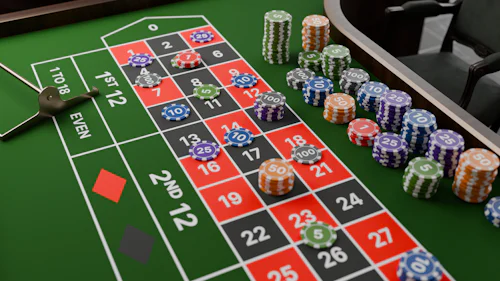
Moreover, the absence of clocks and windows further contributes to this controlled environment. With no external time cues or daylight to indicate the passage of time, players are less likely to be mindful of how long they have been gambling. This can lead to prolonged play sessions, as many are caught up in the moment without realizing the extent of their potential losses. Such design elements highlight the psychological manipulation that casinos utilize to maximize player engagement and spending, reinforcing the idea that the environment plays a crucial role in gambling behavior.
The Psychology of Winning and Losing
Winning and losing in casino games offer varying psychological impacts that can affect a player’s future behavior. Winning often produces feelings of elation and excitement, reinforcing the desire to keep playing. Players may develop a skewed perception of their gambling abilities, believing they are more skilled than they truly are. This phenomenon can lead to overconfidence, where players assume that their winning streak will continue indefinitely, prompting them to place larger bets in hopes of greater rewards. The psychological high from winning can create an addictive cycle, making it difficult for players to walk away.
Conversely, losing can lead to feelings of frustration, disappointment, or even anger. This emotional response may drive players to continue gambling in an attempt to recover their losses, a behavior commonly referred to as “chasing.” The psychology behind this behavior is rooted in the belief that a win must be on the horizon, leading players to take risks they would typically avoid. Unfortunately, this often results in even more significant financial losses, creating a vicious cycle of gambling behavior. The emotional turmoil associated with losses can cloud judgment and lead to irrational decisions.
Furthermore, the way individuals perceive losses can differ widely. Some may view losing as a part of the gambling experience, while others may take it personally, feeling defeated or demoralized. This discrepancy shows how personal psychology and emotional resilience play vital roles in shaping one’s gambling habits. Understanding these differences can help individuals better recognize their tendencies and potentially mitigate harmful gambling behaviors. Building awareness around emotional responses can empower players to make more informed decisions about their gambling activities.
The Impact of Online Gaming
The rise of online gaming platforms has transformed the casino landscape, introducing new psychological dynamics in the gambling process. Unlike traditional brick-and-mortar casinos, online casinos offer convenience and accessibility, allowing players to gamble from the comfort of their homes. This ease of access can diminish the social aspect of gambling and may lead to increased isolation, which can have negative psychological effects on players. The lack of face-to-face interaction can result in a diminished sense of accountability, potentially increasing the risk of problematic gambling behaviors.

Additionally, the anonymity provided by online platforms can encourage riskier behaviors. Players may feel emboldened to place larger bets or engage in high-stakes games without the immediate social feedback they would receive in a physical casino. This detachment can lead to a false sense of security, as the consequences of losses may feel less tangible when experienced in a virtual environment. This distancing from reality can contribute to problematic gambling behaviors, as individuals may lose track of their spending and the impact it has on their lives.
Moreover, online gaming often employs sophisticated algorithms and design elements to keep players engaged. Features like bonuses, promotions, and reward systems can create a sense of urgency that mirrors the excitement of traditional gambling but can often lead to compulsive gaming. Understanding the psychological triggers embedded in online gaming can help players recognize when their behavior is becoming unhealthy, allowing for more responsible gambling practices. Awareness of these design elements can empower players to set limits and make informed choices while enjoying online gaming experiences.
Your Resource for Understanding Casino Psychology
As you delve deeper into the fascinating world of casino psychology, resources that offer insights and research on this topic can enhance your understanding. Educating oneself about the psychological aspects of gambling can promote responsible gaming and help individuals recognize the signs of problematic behavior. Various articles, studies, and expert opinions can provide valuable perspectives on the intricacies of gambling psychology. By seeking out this information, players can gain a deeper understanding of their motivations and behaviors.
Furthermore, engaging with communities or forums dedicated to discussing gambling-related experiences can be enlightening. These platforms allow individuals to share their stories, insights, and coping strategies, building a supportive network for those navigating the complexities of gambling. By sharing knowledge and experiences, players can foster a sense of understanding and develop healthier relationships with gambling. Participating in discussions can also provide a sense of belonging and support for those who may feel isolated in their gambling experiences.
Overall, understanding the psychology of casino games is not just about recognizing the lure of chance and the thrill of winning; it is also about being aware of the potential pitfalls and challenges that come with gambling. By being informed and proactive, players can enhance their gaming experience while making thoughtful choices that prioritize their well-being and enjoyment. This ultimate knowledge will empower individuals to navigate the world of casino gaming confidently and responsibly, fostering a healthier relationship with gambling activities.
